The Second Estates
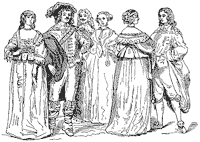
The Nobility like the clergy represented another privileged Estate. The nobility held the highest positions in the Church, the army and the government. As an order, they were virtually exempt from paying taxes of any kind. They collected rent from the peasant population who lived on their lands. They also collected an extraordinary amount of customary dues from the peasantry. There were labor dues (the corvee), as well as dues on salt, cloth, bread, wine and the use mills, granaries, presses and ovens. The nobility owned about 30% of the land. By the 18th century, they were also becoming involved in banking, finance, shipping, insurance and manufacturing. They were also the leading patrons of the arts. It is interesting that the nobility would offer their homes and their salons to the likes of Voltaire, Gibbon, Diderot and Rousseau. After all, these were the men who would end up criticizing the Second Estate.
There were two levels of the nobility (c.350,000 individuals in total). The Nobility of the Sword carried the most prestige. The served their King at his court in Versailles. Many members of this order were of ancient lineage - their family history could be traced back hundreds of years. But there were also members of this estate who were relative newcomers. The Nobility of the Robe also had prestige but much less than did the Nobility of the Sword. Numerous members of the Nobility of the Robe had been created by the monarchy in the past. French kings needed money so it seemed logical to offer position and status to those men who were willing to pay enough money for it. But more important, perhaps, was that by giving these men royal positions; the king could keep an eye on their behavior. In many ways, this is one reason why Louis XIV built Versailles in the first place. Originally a vast hunting lodge, Louis built up Versailles in order to house his generals, ministers and other court suck-ups.
Some of the lesser nobility were partial to the philosophes of the Enlightenment and during the early days of the Revolution would be considered "liberal nobles." They wished to see an end to royal absolutism but not necessarily the end of the monarchy. These liberal nobles tended to look to France's traditional enemy, England, as a model for what France ought to become, a limited or constitutional monarchy.